7 Quick Tips for Carry-On Luggage
Seven decisions about what to pack in your carry-on that make the difference between a tolerable long flight and a miserable one—and that ensure you won't be left with nothing if your checked luggage doesn't arrive.
Carry-on luggage is the only thing you can be sure will be available during the flight and upon arrival. These seven decisions have the greatest impact.
1. Always pack a complete change of clothes
Checked bags get lost or delayed more often than you might think, especially with tight connections. A complete change of clothes—including underwear—plus a basic toiletry kit turns a serious problem into a mere inconvenience.
If you’re traveling in a group, there’s a better option: split your clothes among the suitcases. Each suitcase carries some of each person’s belongings. If one gets lost, no one is left with nothing.
2. Medications in your carry-on, in their original packaging
Never in checked luggage. If you’re carrying prescription medication, it’s best to bring the original container with the label and a copy of the prescription, especially when entering the United States.
Liquid medications are exempt from the 100-ml limit, but you must declare them at security.
3. The liquids rule—seriously
Containers of no more than 100 ml each, all inside a 1-liter resealable clear plastic bag—one bag per passenger. A 200-ml container filled halfway does not comply: the size of the container matters, not the contents.
Helpful tip: Solids don’t count. Shampoo bars, deodorant sticks, and toothpaste tablets free up space in the bag for items that don’t come in solid form.
4. All electronics and valuables go in your carry-on
Laptops, cameras, portable chargers, documents, keys, and money go in your backpack. Lithium batteries are also prohibited in checked luggage due to aviation security regulations: if they’re in your suitcase, the airline may confiscate it.
5. Dress in layers
The plane will be cold. The destination airport might be 30 degrees. A T-shirt, a lightweight sweatshirt, and a packable jacket handle both extremes without taking up space in your backpack—because you’re wearing them.
Bonus: A folded jacket works much better than an airplane pillow.
6. Bring Your Own Food
Solid foods pass through security without any issues. Nuts, energy bars, and sandwiches help you avoid relying on in-flight meals and overpriced airport food.
One important detail: when entering the United States, Australia, or New Zealand, you must declare all food, and fresh fruit, meat, and dairy products are prohibited. Fines for failure to declare are high and non-negotiable.
7. Empty bottle
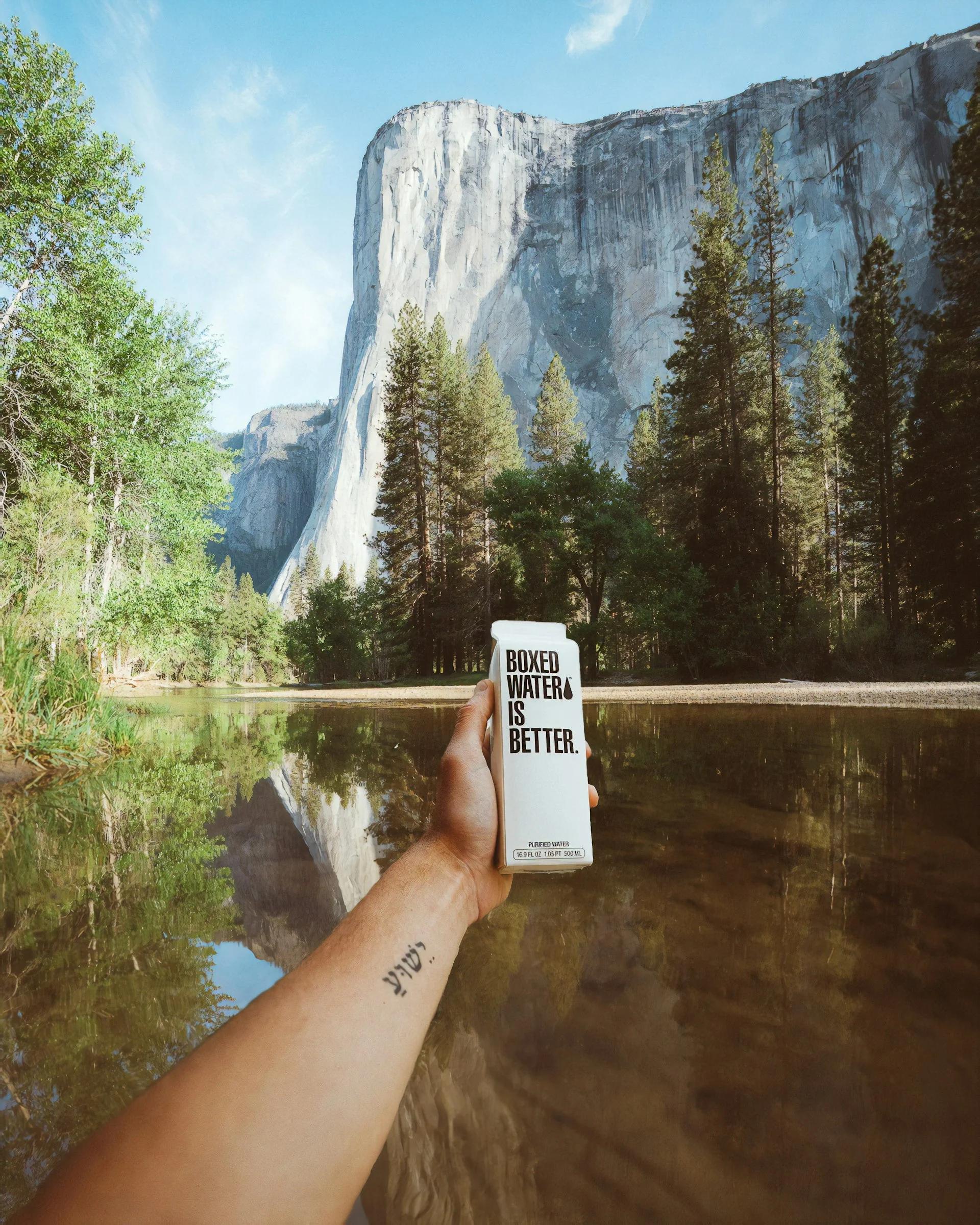
Take it through security empty and fill it up on the other side at any water fountain. Save the $4 it costs for a bottle of water at the airport and ensure you have water for the entire flight without relying on the beverage cart.
Bonus: Weigh your backpack before leaving
More and more airlines are weighing carry-on luggage at the boarding gate, and the usual limit is between 8 and 10 kg. Having it checked at that point is the worst of both worlds: you lose your carry-on and sometimes still have to pay the fee anyway.
Want us to plan this trip for you?
Get a free quote from our travel agent. We'll reply by WhatsApp or email.
Keep reading

The 10 Best Hotels in Disney World
More than twenty-five official hotels, three price categories, and huge differences in transportation and comfort. Here is our ranking,…
August 3, 2026

Comparison: 3 Caribbean Cruises — Royal Caribbean vs. MSC vs. Disney Cruise Line
Three cruise lines, three completely different approaches to what a week at sea should be like. We compare actual prices, food,…
August 1, 2026

How to Get the Free Meal Plan at Disney World
The Free Dining promotion is real; it runs almost every year and can save a family more than a thousand dollars. It also has some fine…
July 31, 2026